She flagged possible fraud in 2018. The lawsuit came more than three years later.
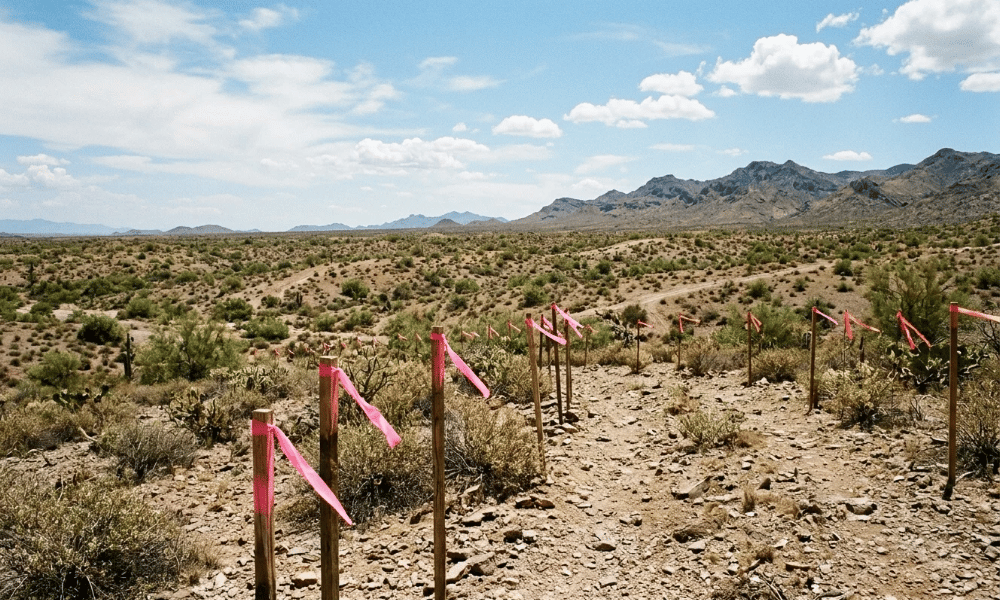
Justice Colin C.J. Feasby threw out an investor's fraud claims against a land banking group on October 9, 2026, ruling she sued too late.
The Court of King's Bench of Alberta decision, comes from a group lawsuit by investors who allege fraudulent misrepresentations drew them into the group's land banking and real estate deals, and that they lost significant parts of their investments when some of its entities became insolvent. None of this has been proven.
A $40,000 bet on Arizona land
In February 2008, the investor put $40,000 into a project that bought undeveloped Arizona land. The group's exempt market dealer solicited the investment.
She said one of the group's representatives told her "that investors should expect to double their money in five to seven years," and that the deal was described as "safe" because it was land. She certified she was an accredited investor, which in her case meant net income above $200,000, or $300,000 with a spouse. She now says she did not qualify, and that it was "strongly suggested to make the [Know Your Client] sheet look like we were accredited" by the group's employees or agents.
The disclosure document showed a group subsidiary bought the land from an unrelated seller for about USD $8.7 million, then moved it into the project for about USD $26.1 million. An individual defendant admitted markups of three to five times were common on these transfers, a practice called a "Lift." Of roughly USD $31.7 million raised, about $4.2 million went to commissions.
The letter that started the clock
The group refused her 2016 refund request, which said she had not qualified as accredited when she invested. In January 2018, during restructuring, the land was valued at just over USD $5 million.
On March 16, 2018, she wrote that the way investments were sold had "every appearance of deliberate misrepresentations and quite possibly fraudulent inducement." The lawsuit was filed May 27, 2021, and Alberta generally allows two years from when someone knew, or should have known, a claim was worth pursuing.
Justice Feasby found that by March 2018 she had enough facts to reasonably conclude the group might be legally responsible. The project had stalled for 10 years, and the group's insolvency was "fundamentally inconsistent" with claims that its investments "were safe and produced strong annual returns." He noted an economic downturn could also explain it.
An unread CD and a missed deadline
On the markup, she said the disclosure document reached her on a plain CD after she invested, and she did not look at it then, though she had signed a form acknowledging it. That claim was late too. Her accredited investor claim was late and, the judge found, meritless.
The group argued a release in the court-approved restructuring wiped out her claims. The judge disagreed, finding her fraud claims plausible and noting the group controls records it has not fully handed over. Her problem, he wrote, "is not that her claims are barred by the restructuring order; it is that her claims are out of time."
Other investors' claims continue untested. The judge paused their request for the group's records and ordered those living outside Alberta to post $2,500, or pledge $2,500 of restructuring shares, within 30 days toward potential legal costs. On that CD, the court said that once suspicious, she "should have reviewed all the materials provided to her."