Art, jewellery and handbags can matter to a family without becoming a retirement strategy
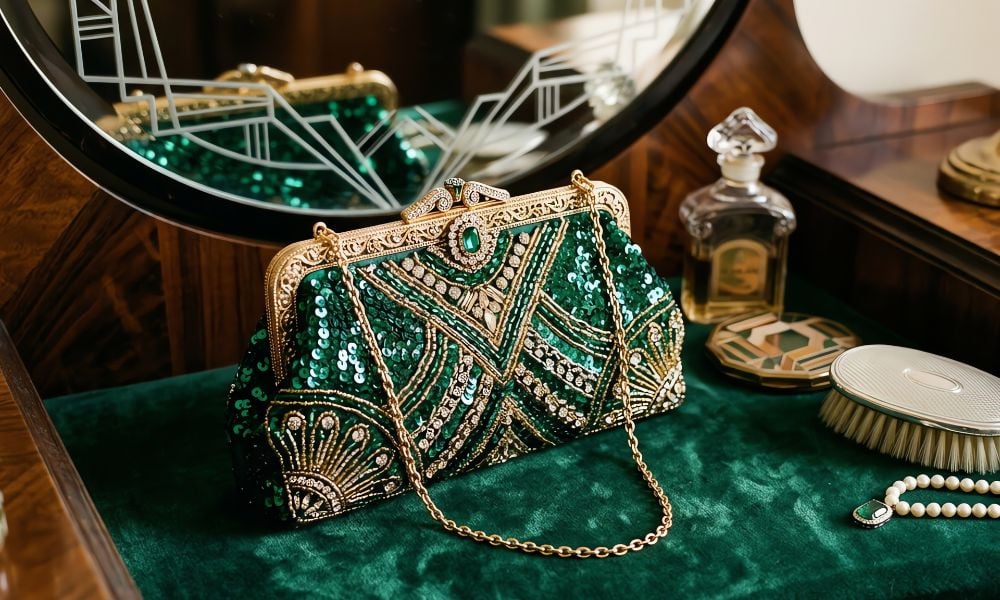
A client’s net worth statement may include a home, savings and investments. But what about the original art on the walls, jewellery passed down through a family, or handbags she hopes to give her daughters?
These belongings may have financial value. They may also carry stories no appraisal can capture.
I support Canadian artists and love living with original art. Someone gave me my jewellery out of love. And I’ve never bought a handbag expecting a return on investment. The best outcome I can imagine is passing one along to my daughters, who might enjoy it too.
Market headlines remind us why it’s important to be clear-eyed. A recent report using Rapaport data says the global benchmark price for a standard one-carat natural diamond fell 51% between September 2021 and September 2026. Laboratory-grown diamonds, which appeared in 42% of diamond jewellery sold in 2025, have changed the market too. Those figures offer context, but they don’t tell a client what their particular diamond could sell for.
The same is true of art. Global art sales rose 4% in 2025, but that doesn’t mean every painting gained 4% in value, or could be sold quickly at its estimated price.
Advisors can help by asking: Do you want to insure this, sell it, or pass it on? Are you including it in your net worth, and what supports that estimate? Does your financial plan depend on selling it?
Those distinctions matter. The Canadian Jewellers Association notes that appraisals are prepared for a specific purpose and market. An insurance replacement value, for example, isn’t automatically what an owner could receive through resale.
If a client’s plan depends on selling an item, a realistic, purpose-specific valuation and a conversation about costs, timing and taxes are essential. In Canada, jewellery and works of art fall under the CRA’s rules for listed personal property. If the plan doesn’t depend on selling them, they can still be part of the conversation without being treated as spendable wealth.
I have always believed good planning makes room for both the balance sheet and the life built around it. The goal isn’t to turn every cherished possession into an investment. It’s to help clients understand what they own, what they want to do with it, and what role, if any, it plays in their plan.
Sometimes the best return is enjoying something now and knowing it may one day be loved by someone else.