Nexus CEO Dianne White on rebuilding a founder-led firm around teams, process and key person risk as partners retire

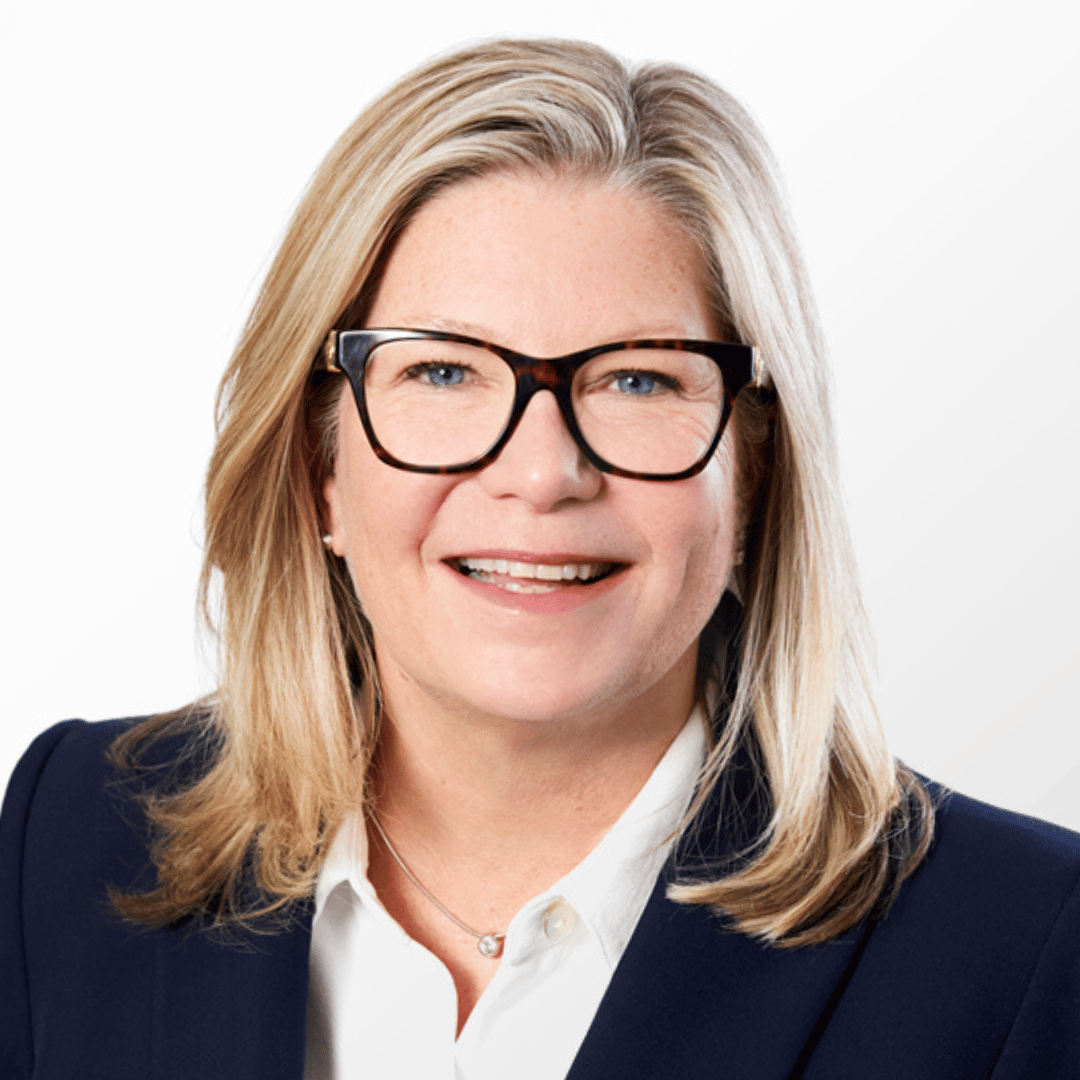
For years, Nexus Investment Management ran on the personal relationships, experience and institutional knowledge of five people. As the firm continued to grow, Dianne White, president and chief executive officer of the Toronto-based wealth management firm, recognized that the next stage of growth required a different structure and a more scalable operating model.
“As we grew, it became clear that the model that helped us succeed as a smaller firm would not support our next stage of growth,” White said.
Scaling a wealth management firm from a founder-led practice to a 30-person organization has been a multi-year project for White, who joined Nexus in 2001 and was named to Wealth Professional’s 2025 Top 50 Leading Women in Wealth list.
From five generalists to three specialized teams
White traced the problem to the firm’s early structure.
“When I started here 25 years ago, much of our success depended on five of us wearing multiple hats and relying on our own personal relationships, our experience, and the institutional knowledge each of us had at the time. We also had enormous trust in one another to do the right thing. That works really well when a firm is small, but it doesn’t scale well.”
About three or four years ago, Nexus began separating the founders’ work into three functions: operations, client service and investments. White said accountability and delegation improved once responsibilities sat within those teams.
The firm also set out to replace a homegrown technology setup managed by a single person, an arrangement White said carried significant key person risk.
“Pulling that apart has taken the entire time we’ve been at this, and we’re still not completely done. We’re almost at the top of the mountain, but not yet over the other side, because this isn’t just about technology. It’s about processes and everything that goes with them.”
Institutional knowledge on the way out
Meanwhile, two of White’s business partners retired completely, and a third stepped back from firm management while continuing to work with clients. Several longstanding employees retired over the same period.
“All of it happened at once, with institutional knowledge walking out the door,” White said.
That kind of concentrated turnover is a live issue across the advisory channel, where industry leaders have pointed to why the vast majority of advisors lack a formal succession plan. At Nexus, White said the response has been to reduce dependence on any one person rather than simply add staff.
“Adding people to the team can definitely help in the short term when you’re feeling pinched. But it doesn’t necessarily create capacity or consistency,” she said. “Firms that scale well tend to develop better habits – around processes, accountability, knowledge sharing, and leveraging technology. That’s really where we’ve been investing our energy over the last four years.”
The firm has documented its processes and formalized knowledge sharing under an internal framework it calls the Nexus Way.
Choosing existing clients over short-term growth
White said the hardest decision of the period was choosing between long-term organizational growth, which she described as getting the firm’s house in order, and short-term growth.
“When people were leaving, our priority was to look after our existing clients. The ones who have supported us. The challenge is that growth can sometimes outpace your ability to integrate new people, maintain service standards, and preserve the culture that made you who you are in the first place – the reason clients came to you.”
The shift also required the founding partners to give up direct involvement in day-to-day decisions, a move that reflects how team-based succession planning is redefining the advisor-client relationship across Canadian wealth management.
“When you go from seven or 10 people to 30, you have to learn to let go. The original five can no longer be involved in every decision or initiative,” White said. “That isn’t easy when you have people who care so deeply about the client experience and the culture – it’s their baby. But we’ve built a team of smart, talented professionals, and we’re at the point now where I absolutely trust that they do the right thing. They may not do it the same way the founding team did, and that’s okay.”
Why firm culture is the one thing not to trade
Asked what leaders should not compromise while growing, White answered directly.
“Culture. Don’t compromise on your people. Don’t compromise on your values. Ultimately, the client experience is built on people. Not on processes. Not on technology.”
Hiring reflects that priority.
“Even as a larger firm, we spend a significant amount of time finding the right people for the right roles. Sometimes that process takes over a year, and it affects our growth rate. But finding the right fit is non-negotiable for us.”